
-
0
Your cart is empty

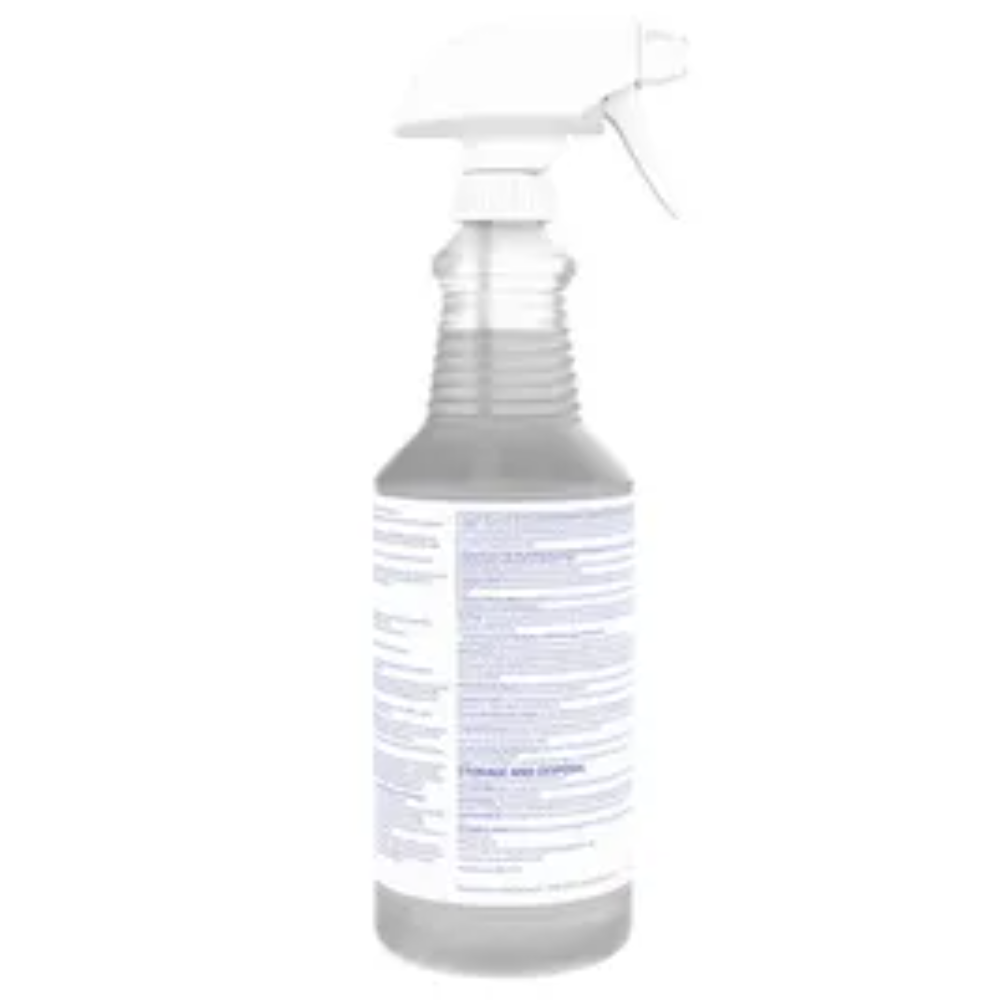
Hydrogen Peroxide Surface Cleaner
Hydrogen peroxide surface cleaner is a fast-acting disinfectant used to sanitize hospital surfaces, medical devices, and high-touch areas. It breaks down into water and oxygen, leaving no toxic residue. Effective against viruses, bacteria, and spores, it's safe for most materials and eco-friendly.

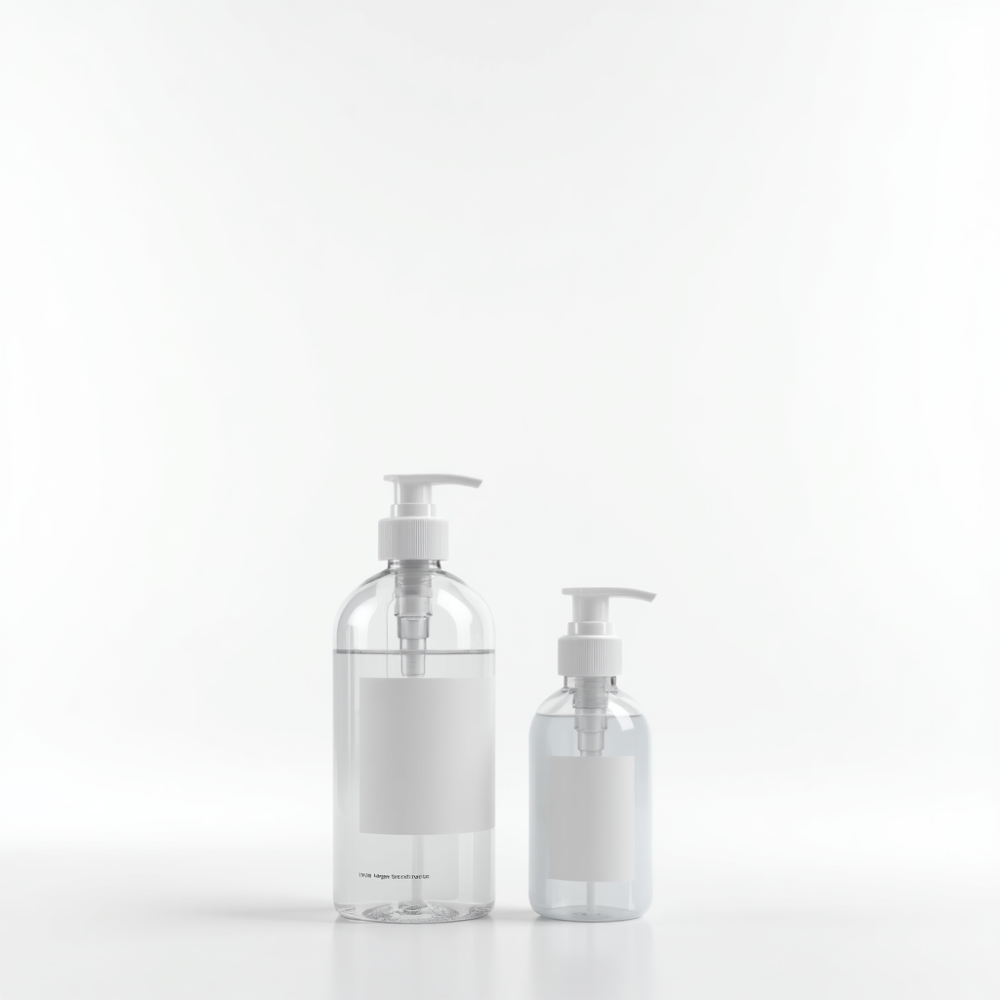
Autoclave Disinfectant Liquid
Autoclave disinfectant liquid is used to clean and maintain autoclaves and sterilizers. It removes residue, biofilm, and microbial contamination to ensure efficient sterilization. Formulated to be non-corrosive and safe on metal, it helps prolong the life of medical equipment. Essential in surgical departments and labs.
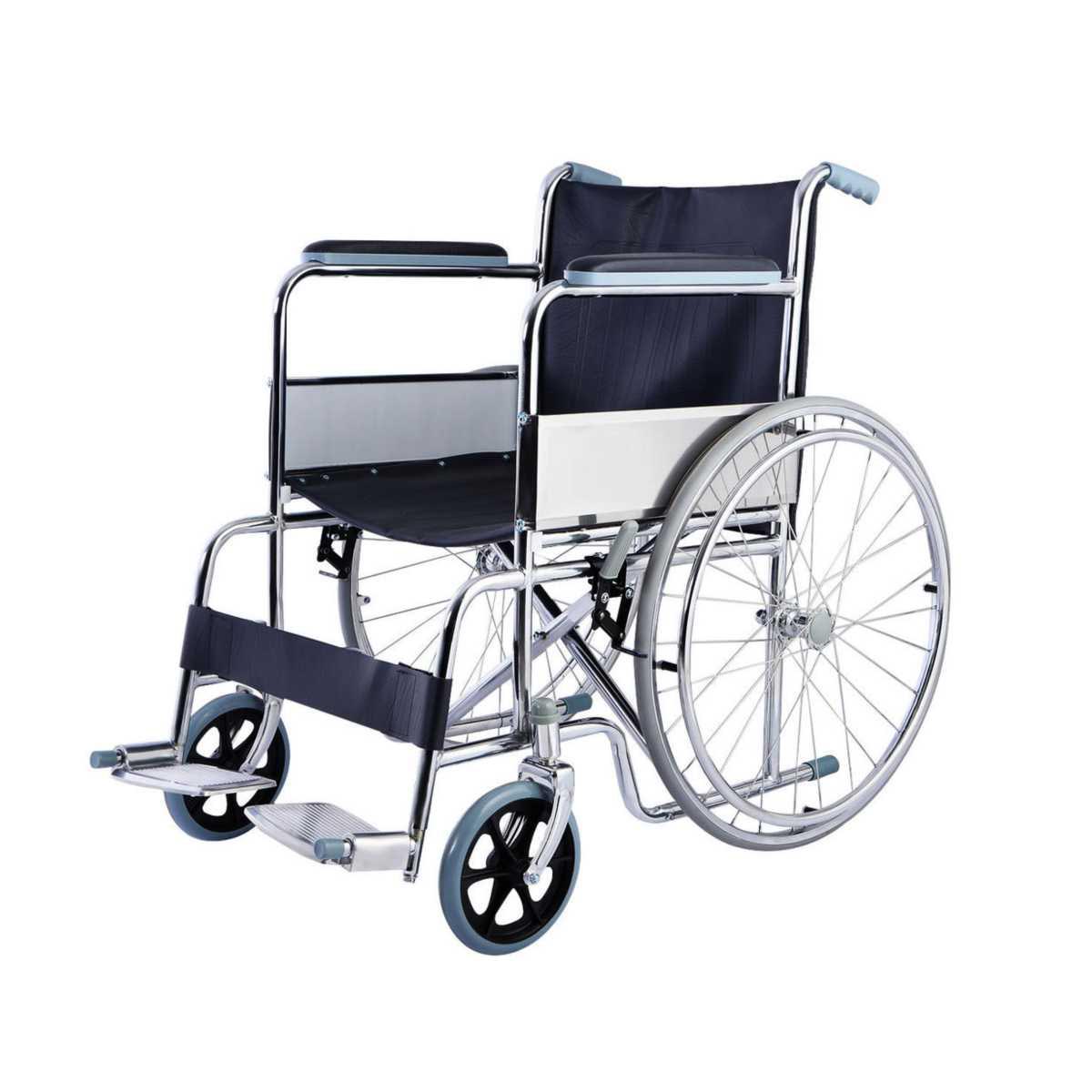
Folding Wheelchair (Standard)
The Standard Folding Wheelchair offers a lightweight yet robust mobility solution for patients with temporary or permanent mobility issues. Designed for daily use in hospitals, clinics, and homes, this wheelchair features comfortable armrests, footrests, and padded seating for extended sitting periods. Its foldable frame allows for convenient storage and easy transport, making it perfect for travel and emergencies. The smooth-rolling wheels ensure safe and stable movement across various surfaces. With low maintenance needs and high durability, this wheelchair is ideal for patients, caregivers, and healthcare providers.

Disinfectant Wipes
Disinfectant wipes are pre-moistened, single-use towelettes used to sanitize surfaces, tools, and hands. Infused with alcohol or biocidal agents, they eliminate pathogens instantly. Convenient and portable, they’re ideal for clinics, wards, waiting areas, and home use. Sealed packaging prevents evaporation and ensures hygiene.

Urine Collection Bags
Urine collection bags are sterile, leak-proof pouches designed to collect and store urine from patients with catheters or mobility issues. These bags come with anti-reflux valves, graduated measurement markings, and secure drainage ports for accurate monitoring and easy emptying. They are available in leg-mounted or bedside versions and are made from non-toxic PVC. Adjustable straps ensure comfort and discretion for ambulatory use. Commonly used in hospitals, elderly care, post-operative recovery, and home healthcare settings, urine bags help maintain hygiene, reduce infection risk, and provide convenience for caregivers.
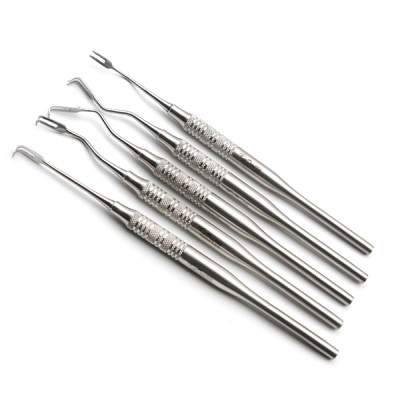
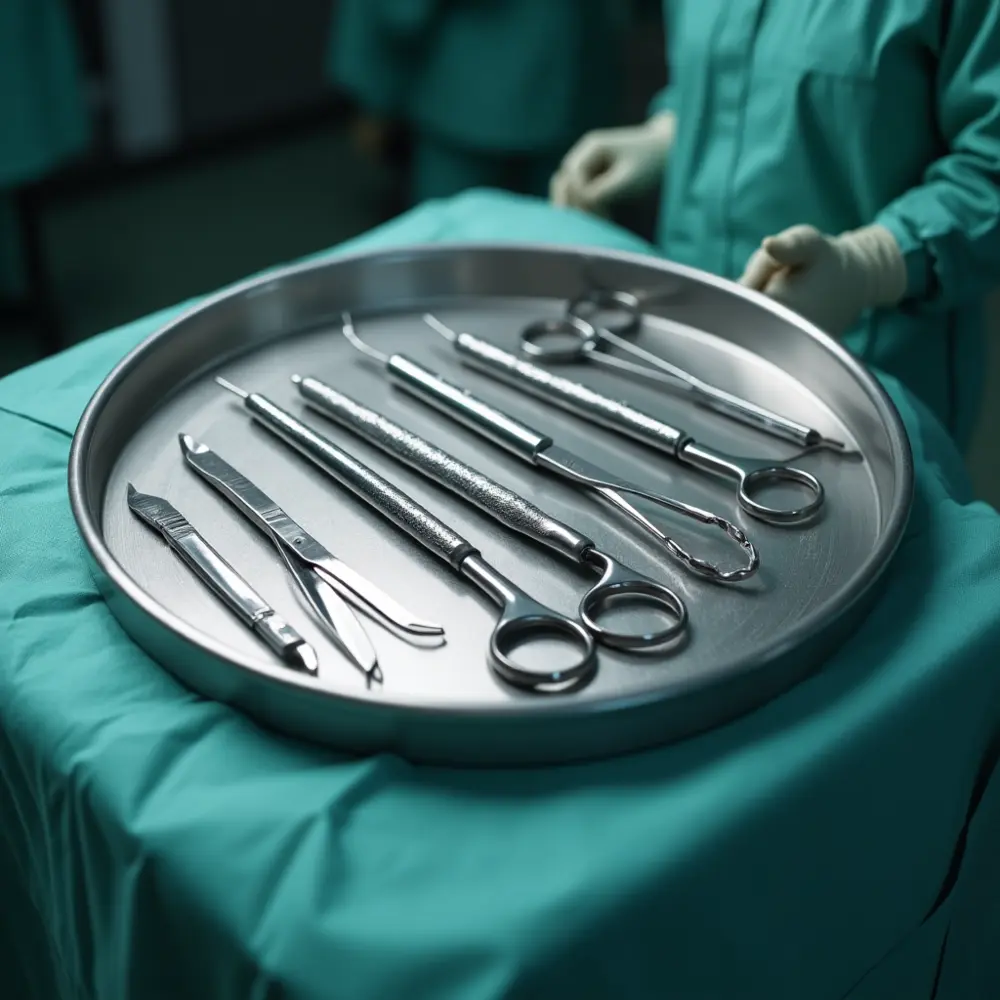
Tissue Retractors
Tissue retractors are surgical tools used to hold back skin, muscles, or organs, giving surgeons better visibility and access. Available in handheld or self-retaining styles, they come in various shapes like Senn, Deaver, or Balfour. These retractors improve surgical efficiency and safety by minimizing obstruction.
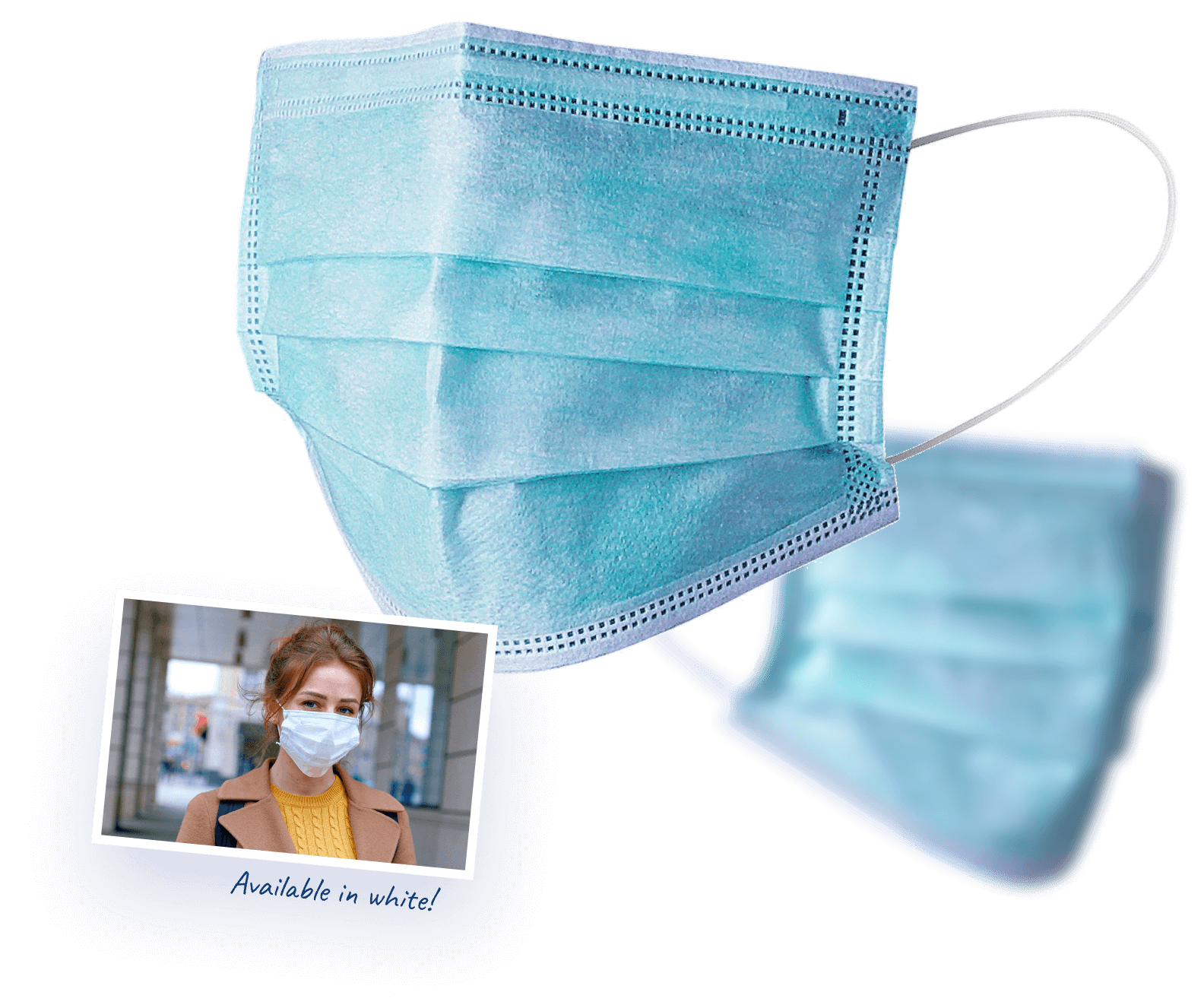
 Anti-Bacterial
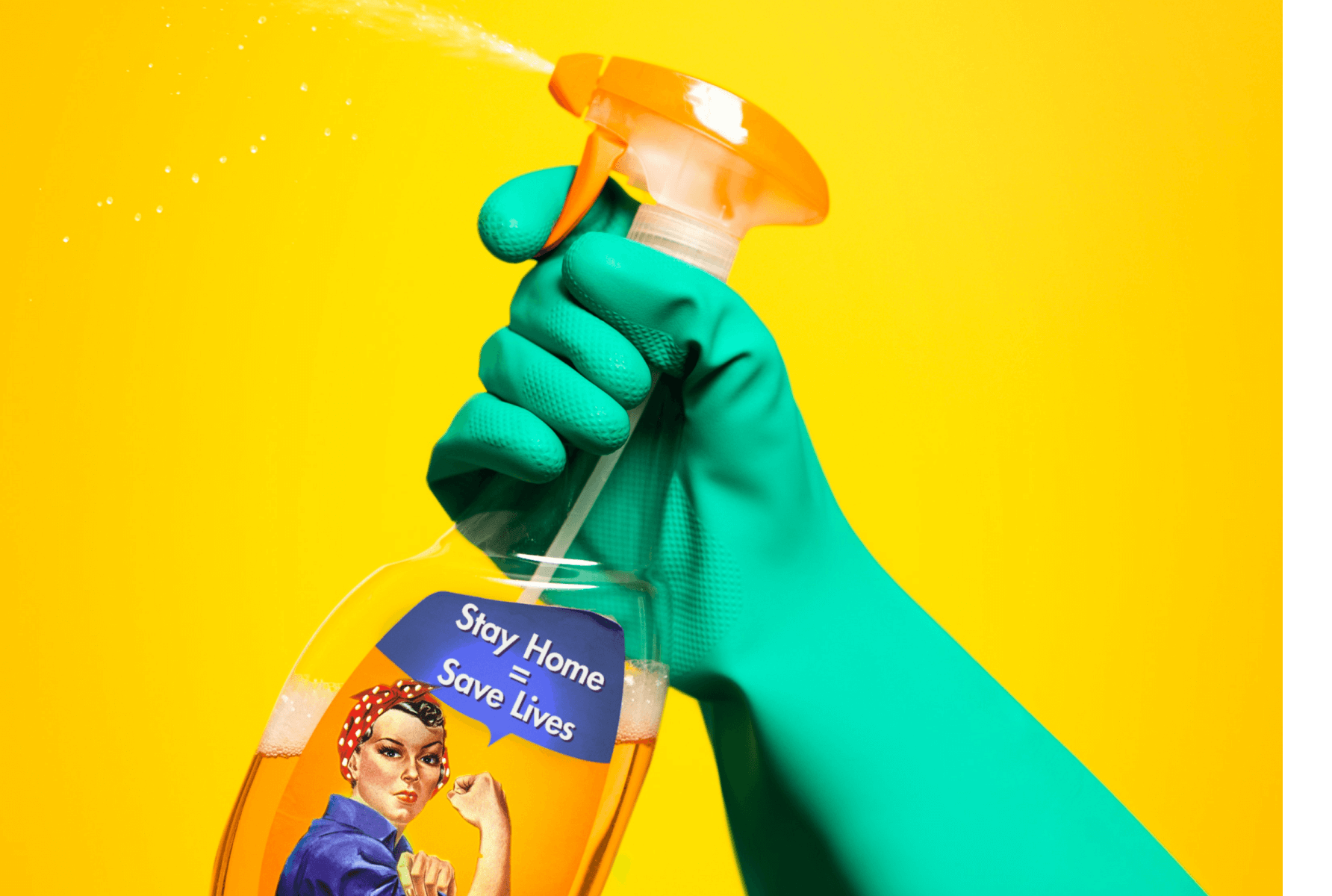
 Anti-Virus

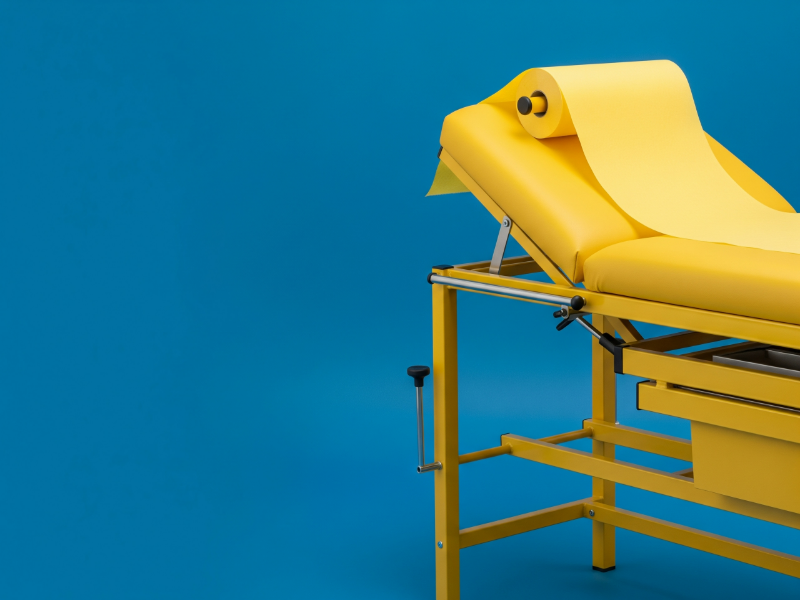
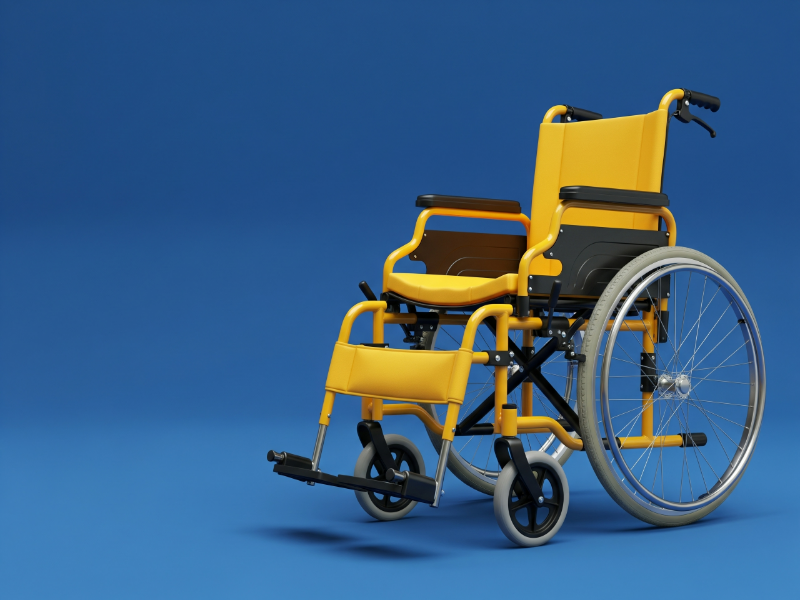
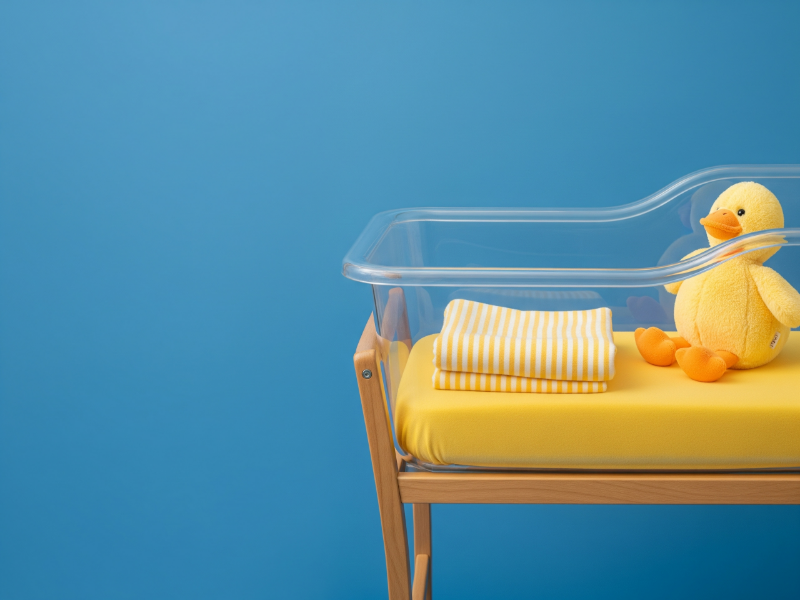
Check out the most popular categories
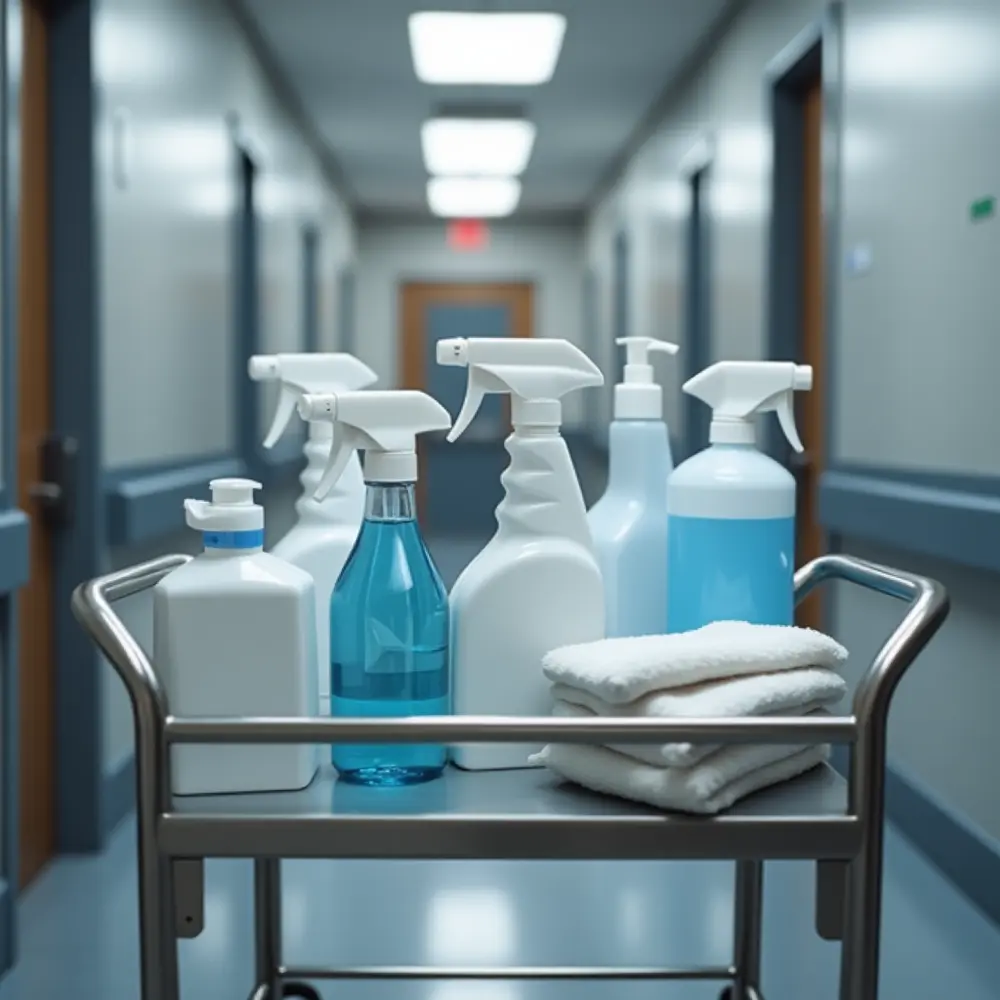


Latest products
Hydrogen Peroxide Surface Cleaner
- Study history up to 30 days
- Up to 5 users simultaneously
- Has HEALTH certificate
Autoclave Disinfectant Liquid
- Study history up to 30 days
- Up to 5 users simultaneously
- Has HEALTH certificate
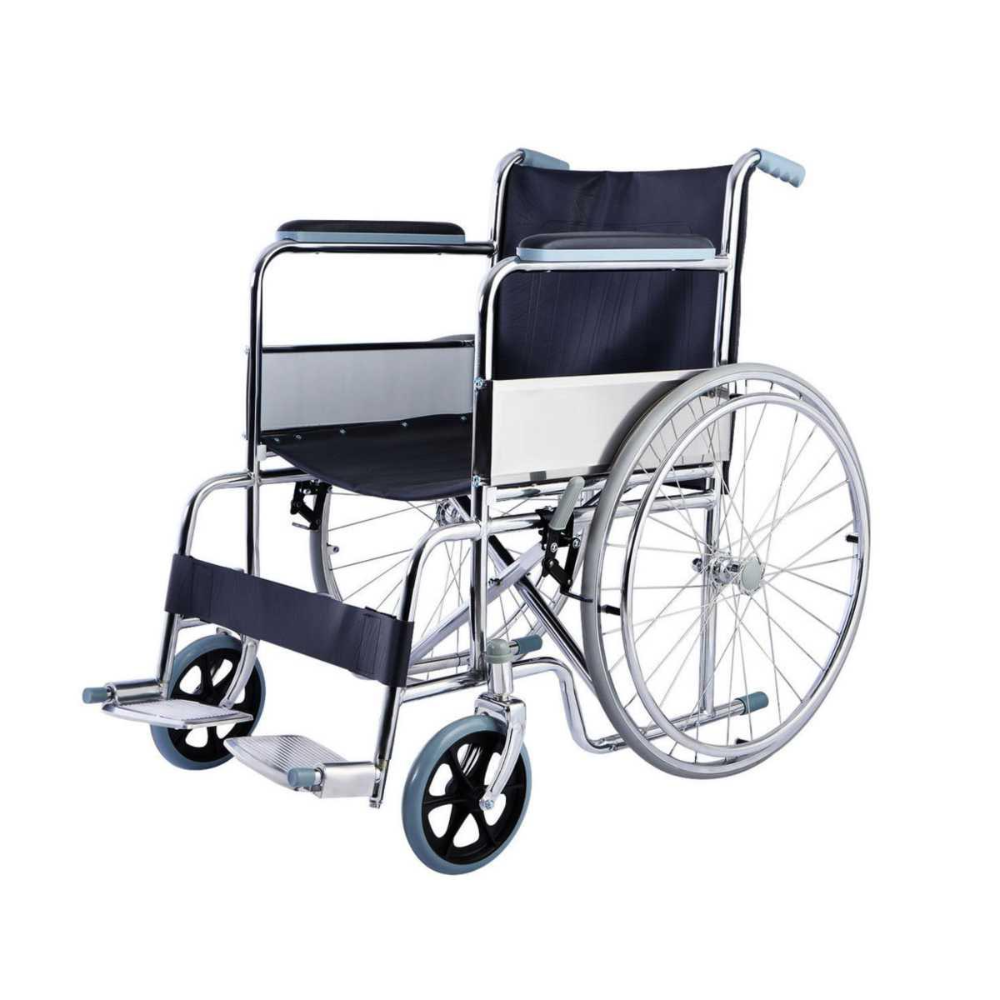
Folding Wheelchair (Standard)
- Study history up to 30 days
- Up to 5 users simultaneously
- Has HEALTH certificate
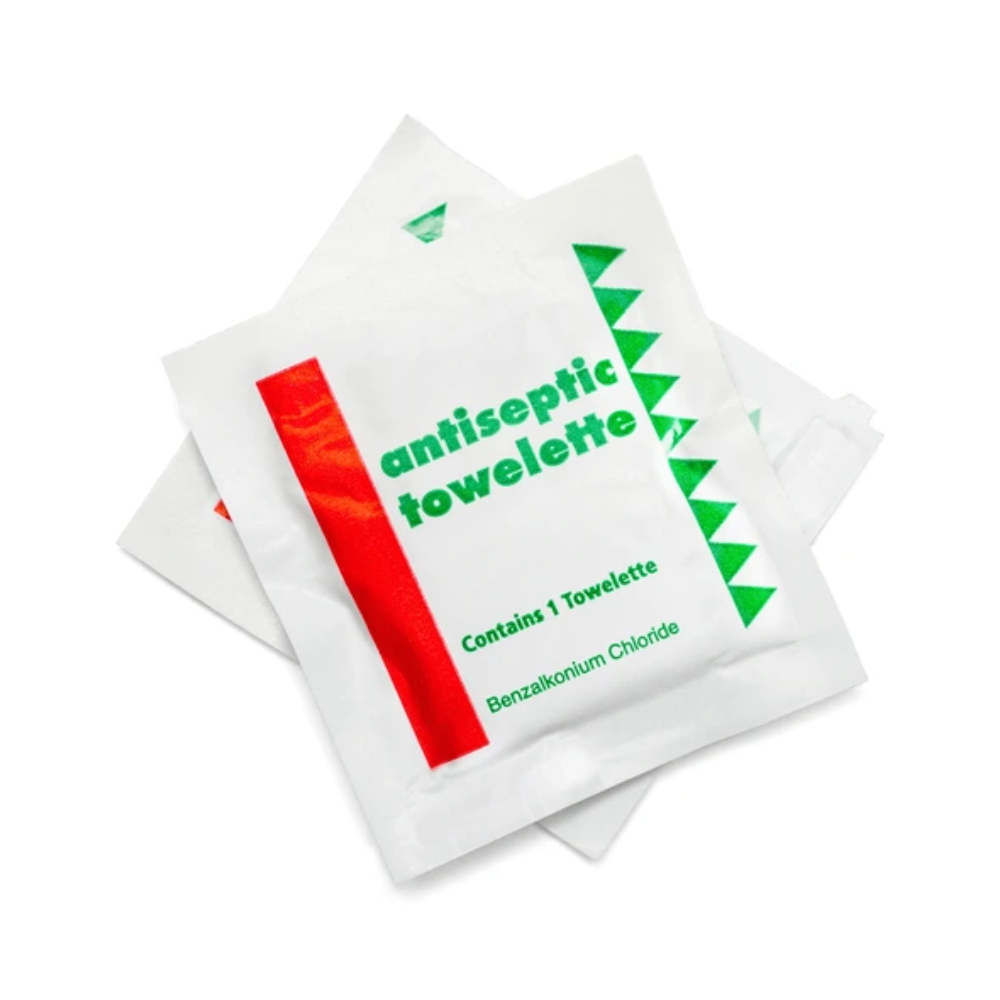
Disinfectant Wipes
- Study history up to 30 days
- Up to 5 users simultaneously
- Has HEALTH certificate
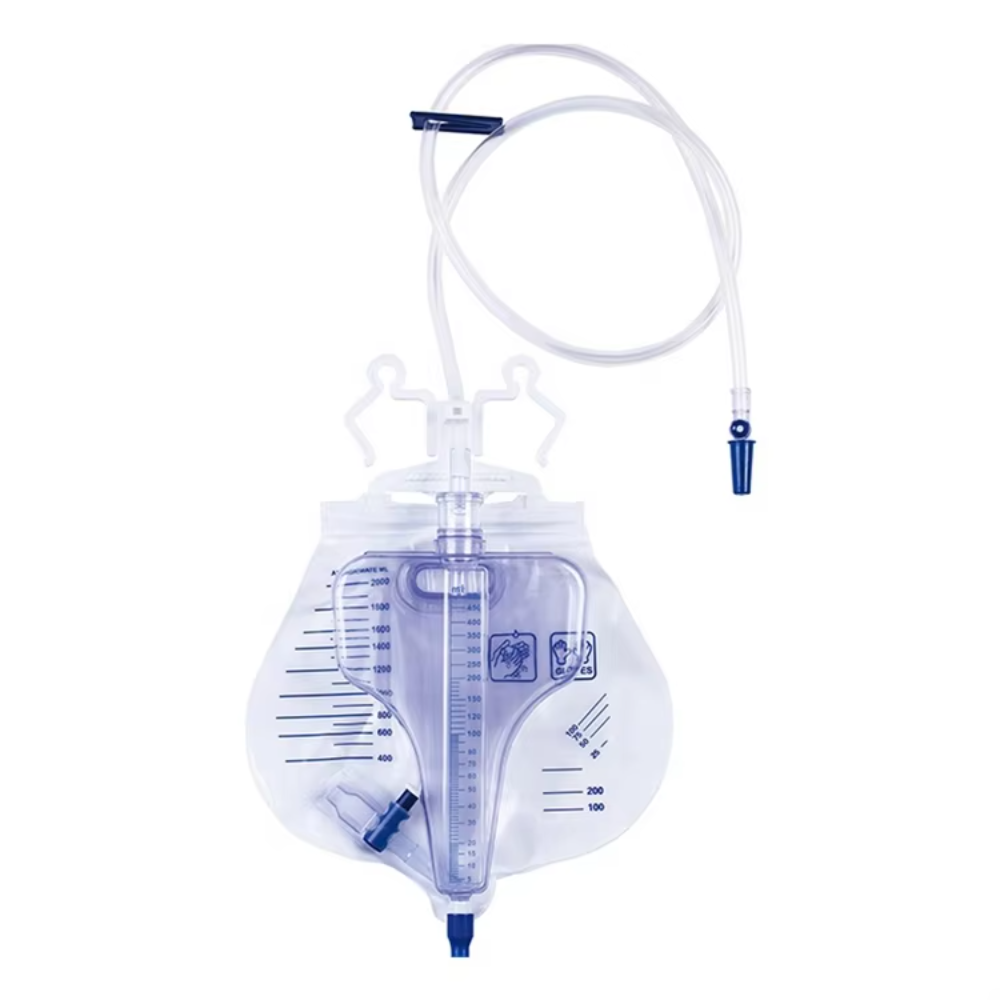
Urine Collection Bags
- Study history up to 30 days
- Up to 5 users simultaneously
- Has HEALTH certificate
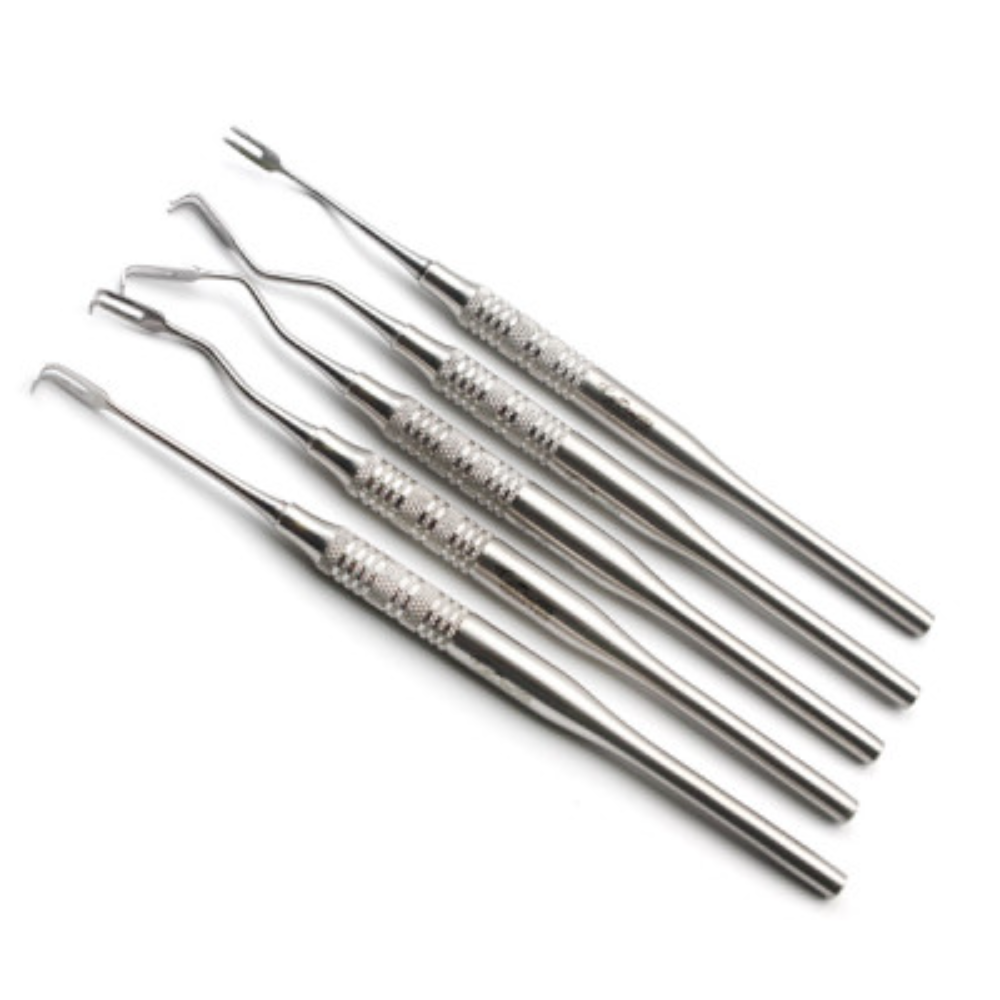
Tissue Retractors
- Study history up to 30 days
- Up to 5 users simultaneously
- Has HEALTH certificate